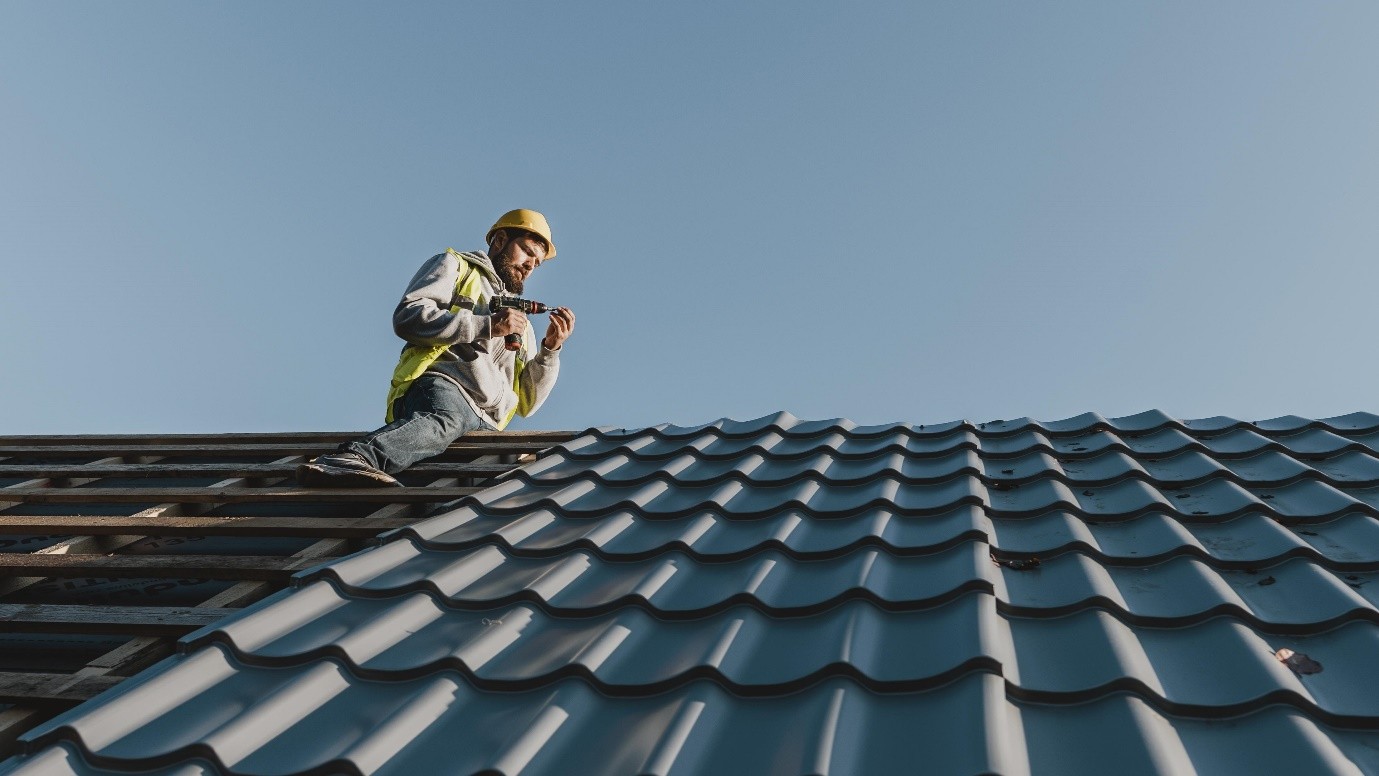
Is it Time to Replace Your Roof?
Your roof works quietly every day protecting your home or building from wind rain snow and seasonal temperature changes. Many property owners only think about it when a leak appears or shingles start to curl. The truth is roof replacement is rarely a sudden decision. It is usually the result of small warning signs that appear over time. In this guide we share what we have learned through years of hands-on inspections so you can decide with confidence whether repairs are enough or whether replacement is the smarter long-term choice. We also explain how a Roofing Consultant and independent inspections play a key role in choosing the right Roofing Solutions in Toronto.
Table of Contents
- Why roof condition matters more than you think
- Toronto Roofing Consultant perspective on roof lifespan
- Common signs it may be time to replace your roof
- Roofing Solutions in Toronto for different property types
- Why independent inspections protect your investment
- Repairs versus replacement: how to decide wisely
- Frequently Asked Questions
1. Why roof condition matters more than you think
A roof is one of the three most critical systems in any building along with electrical and plumbing. When a roof begins to fail, the impact goes far beyond visible leaks. Moisture intrusion can affect insulation ventilation interior finishes and even structural components. In Toronto and across the GTA our climate adds extra stress. Freeze-thaw cycles heavy snow loads and summer heat all shorten a roof’s serviceable life if materials or installation fall short of industry standards.
From our experience, many property owners replace roofs too early or far too late. Early replacement wastes money. Late replacement risks damage that costs far more than the roof itself. The right decision begins with understanding the current condition of the roof, not assumptions based on age alone.
2. Toronto Roofing Consultant insight on roof lifespan
As a Toronto Roofing Consultant we approach roof lifespan realistically, not generically. While manufacturers may suggest a certain number of years for shingles or flat roof membranes, actual lifespan depends on installation quality ventilation drainage and maintenance.
For example,
A shingle roof advertised to last twenty-five years may fail much earlier if attic ventilation is poor A flat roof may perform well beyond expectations if drainage and detailing were done correctly Commercial and institutional roofs often age unevenly depending on foot traffic and exposure
We always get on the roof. We do not rely on ground-level views alone. Attic spaces are often inspected to evaluate insulation and airflow since these factors directly affect roof performance. Our role is not to sell roofing work but to explain clearly what condition the roof is truly in and how much serviceable life remains.
3. Common signs it may be time to replace your roof
There are clear warning signs that should never be ignored. Some are obvious, while others are subtle and easily missed without professional inspection.
Interior warning signs- Water stains on ceilings or walls
- Persistent musty odors
- Visible mold growth near roof penetrations
- Missing cracked or curling shingles
- Blistering or splitting on flat roof membranes
- Ponding water that remains long after rainfall
- Damaged flashing around chimneys vents and skylights
Eaves trough and downpipe condition also matters. Poor drainage accelerates roof deterioration and can cause water to back up under roofing materials.
Age combined with recurring repairsIf repairs are becoming frequent and increasingly costly, replacement may be more economical. A proper inspection helps determine whether repairs will genuinely extend roof life or simply delay an inevitable replacement.
4. Roofing Solutions in Toronto for residential commercial and institutional buildings
Choosing the right Residential Roofing Solutions in Toronto depends on building type usage and long-term goals. Residential properties often focus on appearance energy efficiency and resale value. Commercial and institutional buildings prioritize durability waterproofing and compliance with specifications.
Common roofing systems we inspect include
- Asphalt shingles for residential homes
- Modified bitumen membranes for low-slope roofs
- TPO single-ply membrane systems for commercial buildings
- Hot asphalt roof membrane installations
Each system has advantages when installed correctly. Problems usually arise not from the material itself but from poor workmanship or shortcuts taken during installation. This is why inspections before during and after roofing work are so valuable.
5. Why independent inspections protect your investment
We began our careers as roofers. Over time we moved into foreman roles sales estimating and project oversight for major roofing contractors. That background allows us to recognize both quality work and costly mistakes.
Today our role is fully independent. We are not affiliated with roofing contractors and we do not perform roofing work. This independence means our recommendations are unbiased and based solely on what is best for the property owner.
Our inspections can include
- Determining whether replacement is truly necessary
- Estimating remaining serviceable life
- Identifying deficiencies and their causes
- Reviewing contractor quotations for accuracy and scope
- Providing reports accepted by insurance companies Tarion and condominium corporations
For many clients our report becomes a second opinion that saves them from unnecessary replacement or ensures that a new roof is installed correctly the first time.
6. Repairs versus replacement: how to decide wisely
This is one of the most common questions we hear. There is no single answer but there is a clear process.
Replacement is often recommended when
- The roof has reached the end of its serviceable life
- Multiple areas are failing simultaneously
- Structural or insulation damage is present
- Repairs no longer provide lasting results
Repairs may be sufficient when
- Damage is localized
- The overall system is performing well
- Proper installation standards were originally followed
An inspection removes guesswork from this decision. Instead of relying on sales opinions, you gain factual information based on hands-on evaluation.