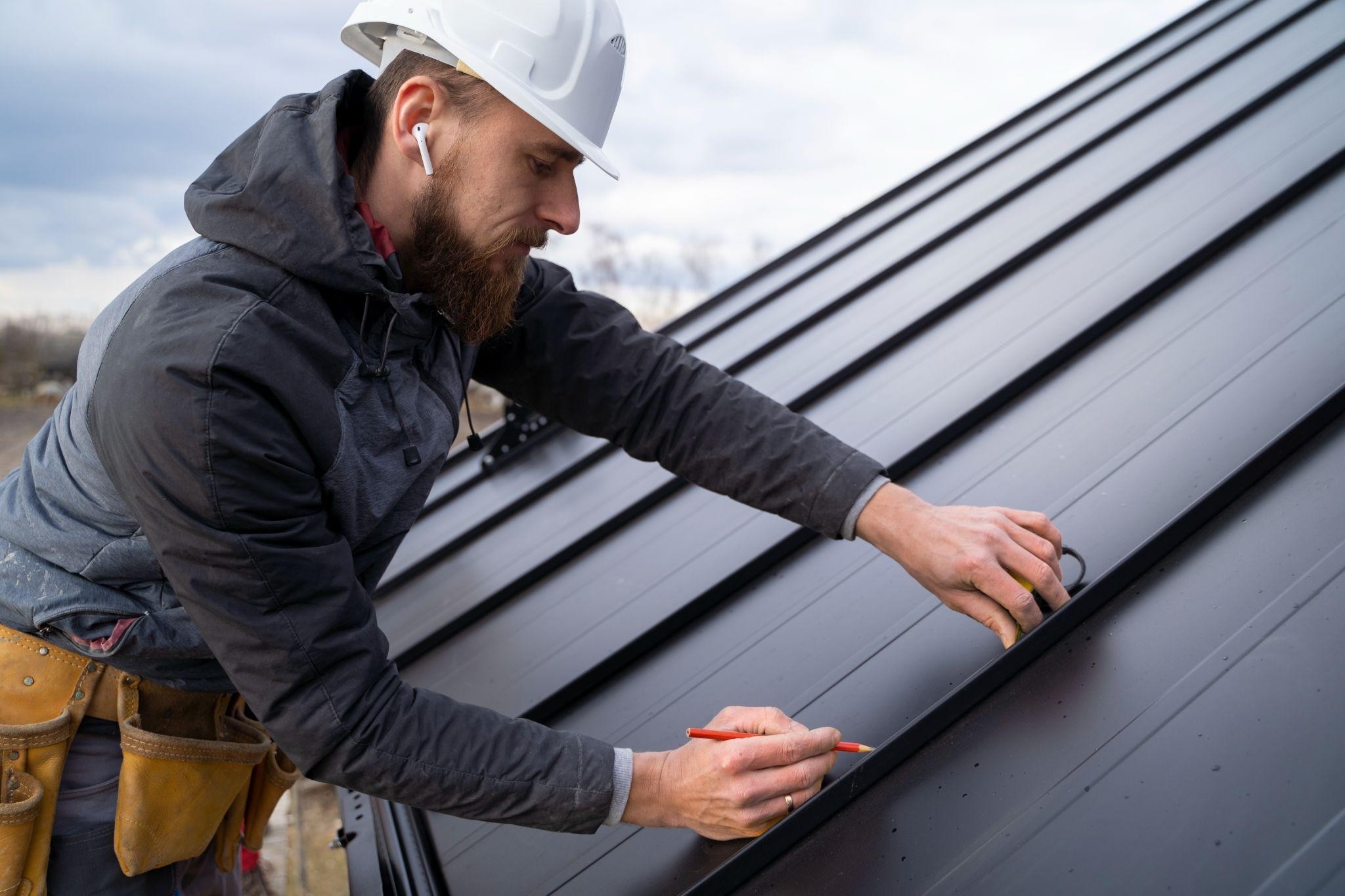
What Should an Independent Roof Inspection Report Include for an Etobicoke Home?
A roof can look perfectly fine from the ground while hiding problems that may lead to leaks, damaged insulation, or costly repairs. For homeowners in Etobicoke, a detailed roof inspection report can help explain what is happening above their heads, which issues need attention, and whether the roof needs repairs or replacement.
A professional inspection should provide more than a simple statement that the roof is in good or poor condition. It should identify visible deficiencies, investigate possible sources of water infiltration, assess the condition of roofing materials, and recommend practical next steps. At Independent Roof Inspection Services, our approach focuses on independent assessments and clear recommendations that help property owners make informed decisions.
Whether you are buying a home, dealing with a recurring leak, reviewing a roofing contractor’s quotation, or checking a recently completed roof installation, understanding what an inspection report should contain can help you protect your property and budget.
Table of Contents
- What Should an Independent Roof Inspector in Etobicoke Examine?
- Why Should Independent Roof Inspection Services in Etobicoke Include Photos?
- What Repair Recommendations and Cost Considerations Should a Report Cover?
- How Should a Roof Report Assess Remaining Lifespan and Drainage?
- When Should Etobicoke Homeowners Request a Roof Inspection?
- Frequently Asked Questions
1. What Should an Independent Roof Inspector in Etobicoke Examine?
A useful roof inspection report begins with a clear assessment of the roof's existing condition. It should explain what the inspector examined, what problems were found, and which areas may require further attention.
Our inspection approach considers the type of roofing system, its visible condition, and the factors that may affect its performance. Both sloped shingle roofs and flat roofs require careful attention because their materials, drainage systems, and potential failure points differ.
Roofing Materials and Overall Condition
The report should identify the roofing system and describe the condition of its main components. Depending on the property, this may include asphalt shingles, flat roofing membranes, flashing, roof edges, and other visible details.
For a sloped roof, the inspector should look for missing, damaged, curled, or deteriorating shingles. For a flat roof, the assessment should consider the membrane's condition and look for visible openings, deterioration, or other signs of potential water entry.
The report should distinguish between normal signs of ageing and deficiencies that may affect the roof's performance. This helps homeowners understand whether an issue needs immediate attention or continued monitoring.
Flashing, Roof Openings, and Vulnerable Areas
Some roof problems begin around areas where different materials meet. Flashing around chimneys, vents, skylights, and other roof openings deserves particular attention because these junctions can become entry points for water when they deteriorate or fail.
A thorough report should document visible problems in these areas and explain their potential consequences. It should also identify any locations where the inspector could not complete a full assessment.
Attic Ventilation and Insulation
When attic access is available, an inspection may include an assessment of ventilation and insulation. These features can affect moisture levels and the overall performance of a roofing system.
Water Infiltration and Leaks
A roof leak does not always originate directly above the visible ceiling stain. Water can travel along roof components before appearing inside a home.
The report should document signs of water infiltration, such as staining, dampness, or visible deterioration, and identify likely entry points where the evidence supports a conclusion. If the precise source cannot be confirmed during the inspection, the report should explain that limitation rather than present a guess as a fact.
This level of detail gives homeowners a more useful starting point when deciding what to investigate or repair.
2. Why Should Independent Roof Inspection Services in Etobicoke Include Photos?
Photographs make a roof inspection report easier to understand. Instead of relying entirely on technical descriptions, homeowners can see the conditions identified by the inspector and understand why a recommendation was made.
For this reason, a well prepared report should include clear photographs of significant deficiencies whenever practical.
Photos That Show the Actual Problem
Useful photographs may document damaged shingles, deteriorated flashing, openings in a roofing membrane, standing water, damaged roof edges, or visible signs of water infiltration.
Each photograph should relate to a written observation. A short caption can explain what the image shows, where the issue is located, and why it deserves attention.
For example, a photograph of damaged flashing near a chimney becomes more helpful when the report explains that the affected area may allow water to enter the roof assembly.
Images That Help Prioritize Repairs
Not every visible defect carries the same level of risk. Photographs can help distinguish between a localised problem and a condition that affects a larger section of the roof.
A report might identify one damaged section that needs prompt attention while documenting other areas that appear serviceable. This gives homeowners a clearer picture of the work that may be necessary.
Photographs can also help when comparing roofing quotations. If a contractor recommends replacing a large portion of the roof, the inspection findings may help the homeowner understand the condition of the existing system and ask more informed questions.
Documentation for Contractors and Property Records
A photographic report can be useful when discussing deficiencies with a roofing contractor, reviewing completed work, or maintaining records for future reference.
For homeowners who have recently paid for roof installation, an independent inspection may help identify visible issues that require clarification before the project is considered complete.
However, photographs should support the inspection findings rather than replace a physical assessment. A picture cannot always reveal hidden moisture, concealed installation defects, or the full extent of deterioration.
3. What Repair Recommendations and Cost Considerations Should a Report Cover?
Identifying a problem is only part of a useful roof inspection. Homeowners also need to understand what the findings mean and what steps they should consider next.
A detailed report should provide clear recommendations based on the observed condition of the roof. It should explain which deficiencies need prompt attention, which repairs may be sufficient, and when a larger replacement project may warrant consideration.
Repairs or Full Roof Replacement?
One of the most important questions for a homeowner is whether the existing roof can continue to serve its purpose with repairs or whether replacement is becoming necessary.
The report should consider the overall condition of the roofing system, the extent of deterioration, the location of deficiencies, and the estimated remaining serviceable life.
A localised problem does not automatically mean the entire roof needs replacement. For example, a limited area of damaged flashing may require targeted attention, while widespread deterioration across an older roof may justify considering replacement.
Our goal is to provide independent findings that help property owners understand the available options without tying the inspection to a roofing sales proposal.
Clear Recommendations and Priorities
Recommendations should explain the nature of the problem and the action that may be appropriate. Where possible, the report should distinguish between urgent concerns, repairs that should be planned, and conditions that can be monitored.
This makes the report more practical than a list of defects without context.
For example, a report may recommend investigating a suspected leak promptly to limit potential interior damage. It may also identify minor deterioration that should be monitored during future inspections.
The recommendations should remain proportionate to the evidence. If the inspection cannot confirm the full extent of a concealed problem, the report should identify the need for further assessment.
Reviewing Roofing Quotations
A roof inspection report can also help homeowners evaluate quotations from roofing contractors. The scope of work, proposed materials, and recommended repairs should correspond with the actual conditions identified during the inspection.
Independent Roof Inspection Services offers quotation review as part of its services. Our website recommends obtaining three quotations from roofing companies of the homeowner's choice so the proposed work can be compared more carefully.
Before accepting a quotation, homeowners should check whether it addresses the identified deficiencies and clearly explains the proposed work. An independent review can help highlight differences between quotations and questions that deserve clarification.
A roof inspection report should not invent an exact repair cost when the inspection does not provide enough information to support one. Where pricing is required, a separate quotation from a roofing contractor may be necessary.
4. How Should a Roof Report Assess Remaining Lifespan and Drainage?
A roof inspection report should help homeowners understand not only the roof's current condition but also what that condition may mean for its future performance.
Two important areas are the estimated remaining serviceable life of the roofing system and the condition of the components responsible for directing water away from the property.
Estimating the Roof's Remaining Serviceable Life
The report should consider the roofing material, its apparent age when known, its present condition, and the extent of visible deterioration.
The estimate should be realistic rather than a guaranteed replacement date. Roofs exposed to different weather conditions or affected by previous installation problems may age differently, even when they use similar materials.
If the installation date is unknown, the report should explain that the estimate is based on the observed condition and available information.
This assessment can help homeowners plan for future expenses instead of waiting until a serious problem forces an unexpected decision.
Eavestroughs and Downpipes
The roofing system works alongside the drainage components that move rainwater away from the building. If eavestroughs or downpipes are damaged, obstructed, or poorly functioning, water may collect in unwanted areas or discharge too close to the home's foundation.
A useful inspection report should comment on the visible condition of these components and identify concerns that may affect drainage.
Homeowners should understand that the roof covering and drainage system work together. A sound roof can still face water management problems if its drainage components do not perform properly.
Flat Roof Drainage and Ponding Water
Flat roofs require particular attention to drainage. The report should identify visible areas where water appears to collect and assess whether the observed condition warrants further investigation.
Standing water can have several possible causes, including drainage issues or uneven areas in the roofing assembly. The report should describe what the inspector observed without assuming a cause that has not been established.
The same principle applies to sloped roofs. Valleys, roof edges, and other areas that direct water away from the building should be examined for visible deficiencies.
A Report That Supports Long Term Planning
When the findings, photographs, recommendations, and lifespan estimate are considered together, homeowners gain a clearer understanding of the roof's condition.
This information can support maintenance planning, budgeting, quotation reviews, and decisions about whether repairs or replacement deserve further consideration.
A report should also state any limitations that affect its conclusions. Concealed materials and inaccessible areas may require additional investigation before a definitive assessment can be made.
5. When Should Etobicoke Homeowners Request a Roof Inspection?
A roof inspection is useful in several situations, not just when a leak becomes visible. Scheduling an Etobicoke Roof Inspection at the right time may help homeowners identify deficiencies before they develop into more extensive problems.
Before Buying or Selling a Home
A roof inspection can help a prospective buyer understand the condition of the existing roofing system before completing a purchase. It can also help a seller identify visible issues that may need attention before listing or negotiating a sale.
A clear report gives both parties more specific information than a general visual impression from the driveway.
After Roof Installation or Replacement
A newly installed roof should not be assumed to be free of deficiencies simply because the materials are new. An inspection after installation can help identify visible workmanship concerns or incomplete details.
Our website advises homeowners to have the completed roof inspected before paying the final bill. Arranging this inspection in advance can help clarify expectations with the contractor.
When a Leak or Recurring Problem Appears
Water stains, damp areas, or repeated leaks should not be ignored. An inspection can help identify visible deficiencies and assess possible sources of water infiltration.
Even if a leak stops after dry weather returns, the underlying issue may remain. A report can help determine what requires further attention.
Before Hiring a Roofing Contractor
An independent assessment can provide a useful starting point before committing to major roofing work. It may help homeowners determine whether repairs appear reasonable or whether replacement deserves consideration.
Once quotations arrive, an independent review can help compare their scope and identify important differences.
How Often Should a Roof Be Inspected?
There is no single inspection schedule that suits every property. The appropriate frequency depends on the roof's age, material, condition, maintenance history, and exposure to weather.
Homeowners should consider arranging an inspection when they notice visible damage, experience a leak, plan a major roofing project, or need an independent assessment of a contractor's work. Older roofs and roofs with a history of problems may warrant closer attention.
For Etobicoke homeowners, the most useful approach is to assess the roof based on its actual condition rather than waiting for visible interior damage.